
How to Tell if You Have a Cold, Flu, or COVID — and What to Do
Know the Difference and Take the Right Steps
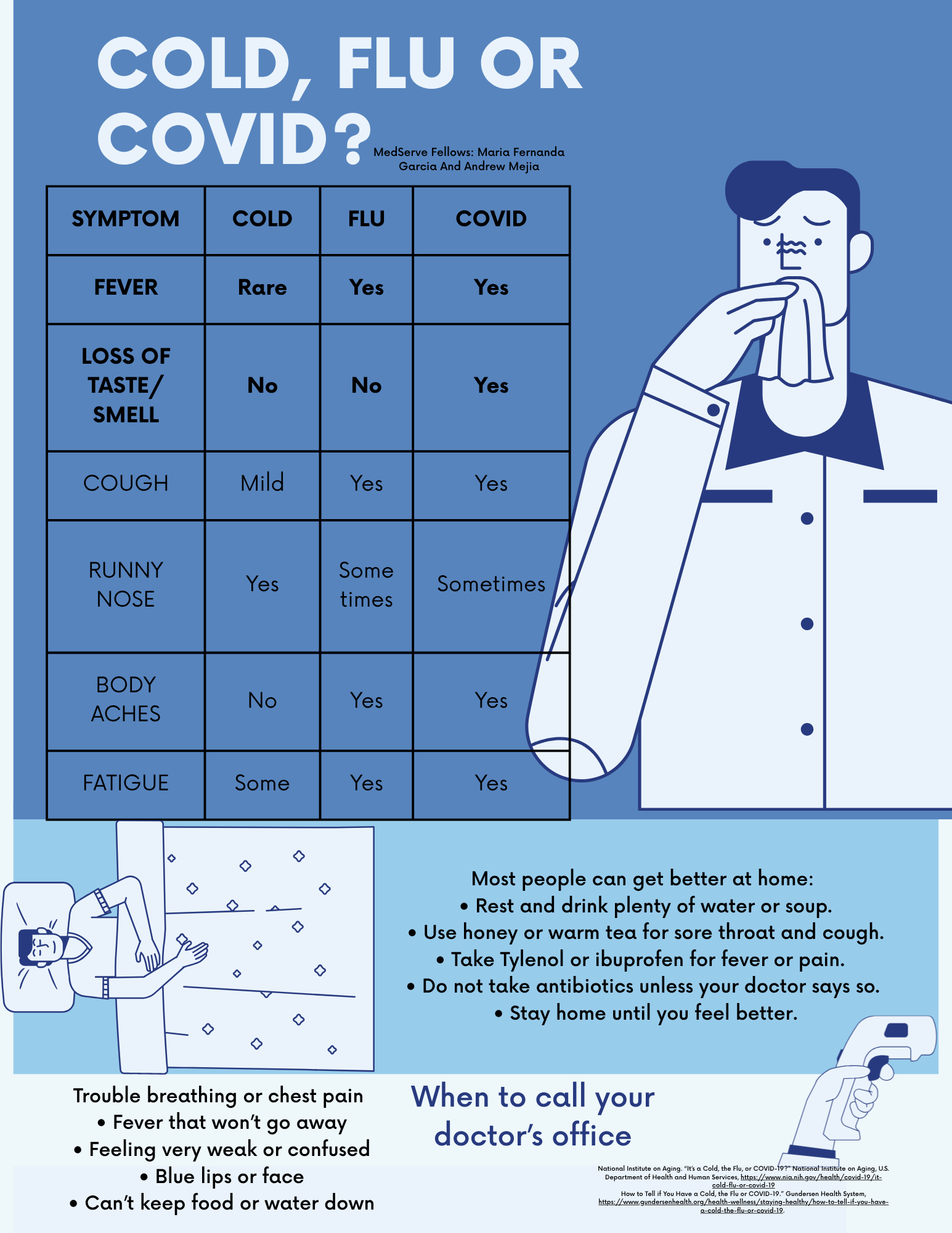
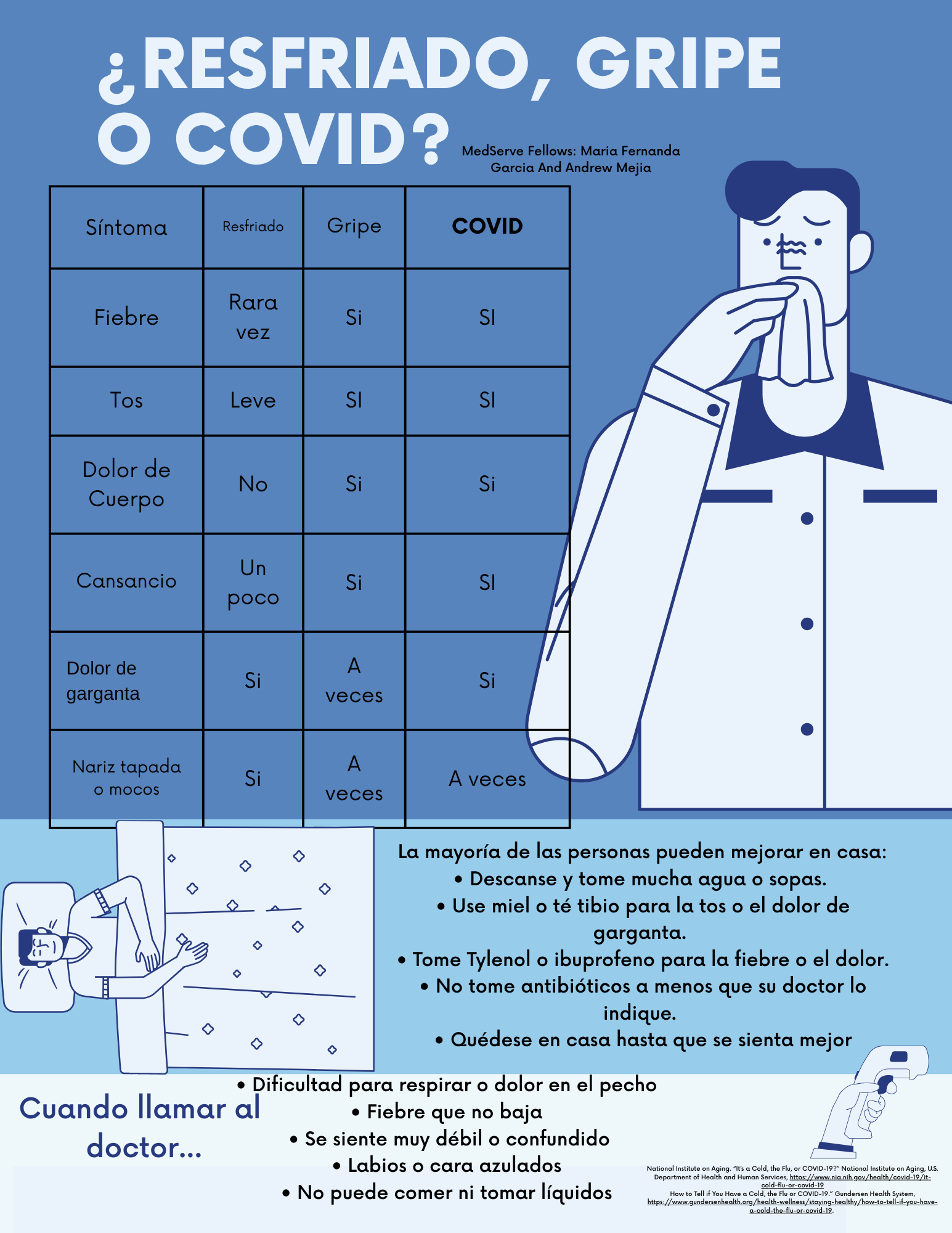
Cold and flu season usually starts in October and can last through February.
Many symptoms—like a runny nose, cough, or sore throat—can come from allergies, a cold, the flu, or COVID. It can be hard to tell the difference.
Knowing what to look for can help you take care of yourself and know when to stay home or seek care.
Common Symptoms
You may have overlapping symptoms, but here are general patterns:
Cold
Runny or stuffy nose
Mild cough
Sore throat
Usually no fever or mild fever
Flu
Fever
Body aches
Chills
Fatigue
Dry cough
COVID-19
Fever or chills
Cough
Shortness of breath
Loss of taste or smell
Fatigue
If you are unsure, it is best to stay home and monitor your symptoms.
What You Can Do at Home
Rest and drink fluids
Take over-the-counter medications for symptoms
Stay home if you are sick
Avoid contact with others to prevent spreading illness
When to Seek Medical Care
Get medical help if you have:
Trouble breathing
Chest pain
High fever that does not go down
Severe weakness or confusion
Symptoms that get worse instead of better
If You Are a Clinic Patient
Call the clinic if you are not feeling well.
We may be able to:
Help you over the phone
Schedule a video visit
Bring you in if needed
If you do not have over-the-counter medications, let us know. We may be able to provide them if available.
If You Are Not a Patient
If you need care, contact our Patient Services team.
The clinic focuses on ongoing care, so a general checkup is required before sick visits. While we are not an urgent care, we can help guide you to the right care based on your symptoms.
Contact Information
Clinic Phone:
704-782-0650
Patient Services:
Leonelys Abreu – 980-498-3066
Maria Fries – 980-498-3067
Nelson Santiago – 980-498-3059
Stay Safe This Season
If you are not sure what illness you have, stay home, rest, and monitor your symptoms. When in doubt, call the clinic for guidance.
